
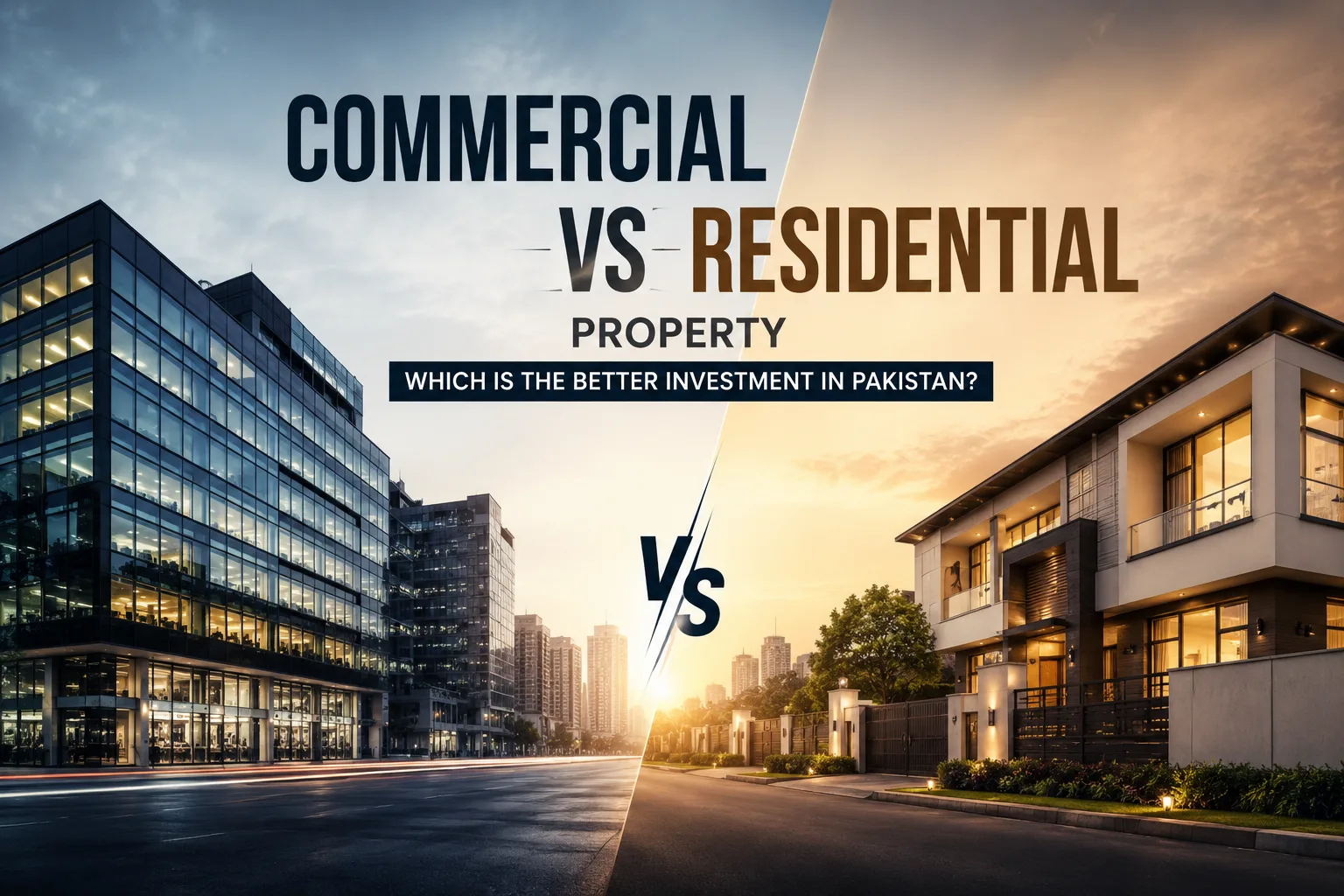
Every property investor in Pakistan eventually asks the same question: shop or house? Office or apartment? Both are real, both are proven, and both can make you money but they work in completely different ways, and mixing them up is exactly how a lot of investors end up disappointed with returns they didn’t fully understand going in. This guide breaks down commercial and residential property side by side, using real Pakistani numbers, so you can see clearly which one actually fits your goals whether that’s steady, passive growth, or faster, active income.
Table of Contents
- What Is Commercial Property?
- What Is Residential Property?
- Tax on Commercial vs Residential Property
- Risk and Reward
- Market Research & Location: How It Affects Value
- Which One Should You Choose?
- Capital Appreciation and Exit Strategy
- The Role of Planned Communities
- A Quick Word on ISMMART Group of Industries
- Tips Before You Choose
- FAQs
- Conclusion
1. What Is Commercial Property?
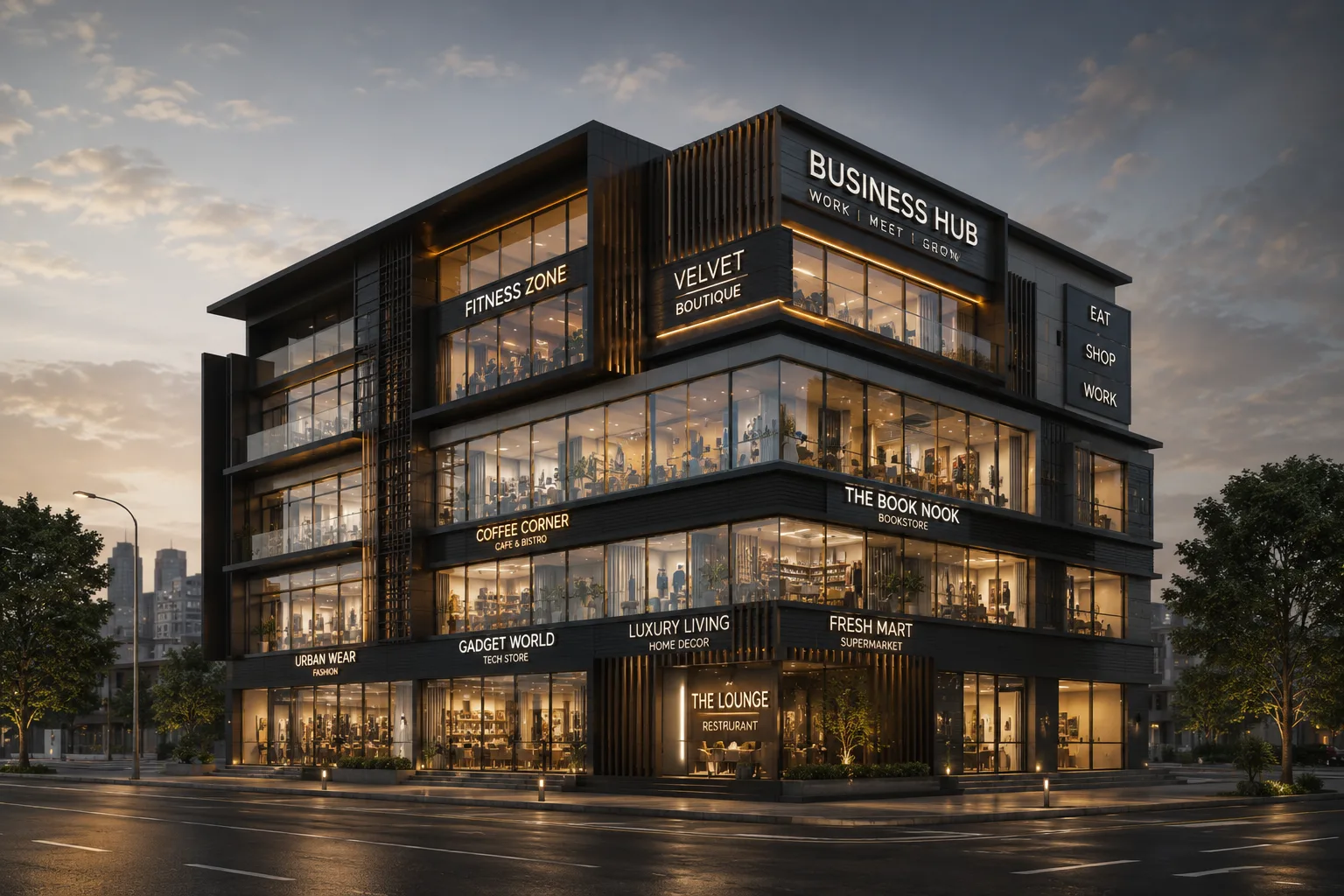
Commercial property is built for business use shops, offices, plazas, retail units, warehouses. Its value depends on footfall, business activity, and how many companies want to operate from that location. In Pakistan, commercial property typically delivers 10–12% ROI, almost double residential returns in the same city. (Source) The sector has also been expanding fast commercial real estate grew by 34.2% in 2022 alone, outpacing the overall real estate sector’s growth of 25.5% that same year, driven largely by rising demand from software companies, financial firms, and retail brands looking for proper office and shop space. (Source) In 2022 alone, commercial real estate expanded by 34.2%, well ahead of the overall property sector’s growth of 25.5% that same year a sign of just how fast investor interest in this category has been growing. (Source)
| Pros | Cons |
| Higher rental yield (8–12%) | Higher entry cost |
| Fixed, annually increasing rent contracts | Longer vacancy periods possible |
| Strong demand from businesses, offices, retail brands | Needs active management |
| Faster monthly cash flow | More sensitive to economic slowdowns |
2. What Is Residential Property?
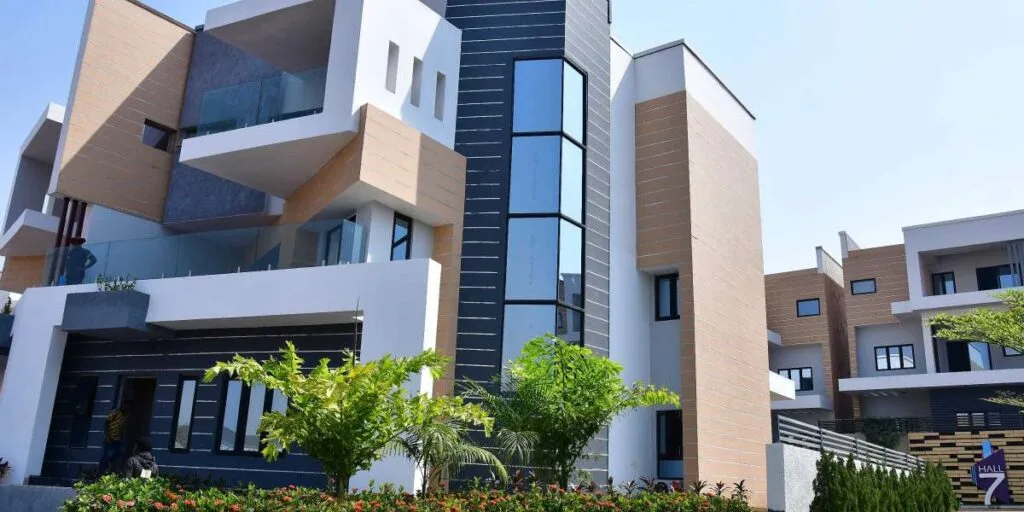
Residential property is built for people to live in houses, apartments, plots for homes. Its value depends on livability: location, security, schools, and connectivity. Residential property in Pakistan typically delivers 5–7% annual returns, with rental yields often closer to 3–4%. (Source) Demand stays strong regardless of economic conditions, mainly because Pakistan’s population is heading toward 250 million by 2030 while the country is already short close to 10 million housing units a gap that keeps residential property in steady, long-term demand no matter what the wider economy is doing. (Source) Even so, it remains the sector most Pakistanis actually invest in first, largely because Pakistan’s housing shortage of nearly 10 million units keeps genuine, long-term demand behind every residential purchase.
| Pros | Cons |
| Lower entry cost, easier installment plans | Lower rental yield |
| Easier to get a loan or mortgage for | Rent often stays flat for years |
| Lower risk, steady demand | Slower cash flow — mostly appreciation-based |
| Can be used personally, not just rented | Selling takes longer |
3. Tax on Commercial vs Residential Property
Both property types are taxed by the FBR, but not identically:
- Capital Gains Tax (CGT): a flat 15% for filers on properties bought after July 2024 applies equally to commercial and residential. (Source)
- Capital Value Tax (CVT): 2% of property value, paid by the buyer, on both types. (Source)
- Federal Excise Duty (FED): 5%, but here’s the difference it applies to every commercial property purchase, while for residential property it only applies to the first owner at booking. (Source)
- Rental income tax: for commercial property, the FBR assumes a minimum fair rent of 4% of the property’s assessed value for tax purposes meaning commercial rental income is taxed on a higher assumed baseline than residential. (Source)
In short: commercial property carries a slightly heavier, more consistent tax load, while residential property is lighter on tax for repeat owners but both are simple to plan for once you know the numbers upfront.
4. Risk and Reward
| Commercial | Residential | |
| Reward potential | Higher (10–12% ROI) | Moderate (5–7% ROI) |
| Income speed | Fast — rent starts quickly | Slow — appreciation-driven |
| Risk level | Higher — vacancy hits income directly | Lower — always in demand |
| Financing ease | Harder — banks lend more cautiously | Easier — mortgages and installment plans are widely available |
| Best suited for | Investors chasing active income | Investors wanting stability |
5. Market Research & Location: How It Affects Value
Location changes everything, but it changes each property type differently.
For commercial property, location is about footfall and business activity. A shop on a busy Islamabad boulevard or a Lahore commercial hub earns far more than an identical shop on a quiet side street because its value comes from the customers walking past it every day. Areas like Blue Area in Islamabad, DHA and Gulberg in Lahore, and Clifton and Saddar in Karachi consistently command the highest commercial rents in the country, precisely because of the sheer volume of daily business activity around them.
For residential property, location is about livability. Proximity to schools, security, mosques, and clean infrastructure drives value which is why gated, planned communities in Islamabad and Lahore have consistently outperformed older, unplanned residential areas in recent years.
| Feature | Commercial Property | Residential Property |
| Value driver | Footfall & business activity | Livability & safety |
| Best locations | Main boulevards, business hubs | Gated communities, planned schemes |
| Income type | Active rental income | Long-term appreciation |
| Tenant type | Businesses, offices, shops | Families, individuals |
6. Which One Should You Choose?
- Choose commercial if you have some capital already, want faster income, and can handle vacancy risk.
- Choose residential if this is your first property, you want lower risk, and you prefer stability over speed.
- Choose a mixed-use project if you want a bit of both without picking a side too early.
7. Capital Appreciation and Exit Strategy
Commercial property tends to appreciate faster in booming business areas but can also stall if the local business scene slows down exiting depends heavily on finding another investor, not a homebuyer, which can take longer in a weak market.
Residential property appreciates more steadily and is easier to exit, since the buyer pool is larger everyone from families to first-time buyers is a potential buyer, not just investors. This is why residential property is often seen as the “safer exit,” even if the upside is smaller.
8. The Role of Planned Communities
Planned communities gated housing schemes with proper roads, security, and utilities have become a major value driver for both property types. For residential buyers, they offer safety and a better quality of life. For commercial investors, a planned community with a growing residential population nearby guarantees a built-in customer base for shops and offices from day one. This is exactly why mixed-use developments residential towers with retail floors built in — have become one of the most in-demand formats in Pakistani real estate today.
9. A Quick Word on ISMMART Group of Industries
ISMMART Group of Industries offers both sides of this comparison under one roof. Its flagship project, Tower 17 in Faisal Hills, Islamabad, includes residential apartments starting from PKR 1,000,000, alongside three levels of retail and commercial space giving investors access to both residential stability and commercial-style income within the same development. Full details are on the Tower 17 project page.
10. Tips Before You Choose
- Match the property to your goal — income now, or growth later.
- Check the exact location’s footfall or livability, not just the general area.
- Factor in tax differences before comparing final returns.
- Verify documentation CDA/SECP approvals, ownership titles before paying anything.
- Consider a mixed-use project if you’re not ready to fully commit to one side.
11. FAQs
Which gives a higher return, commercial or residential? Commercial typically delivers higher ROI (10–12%) compared to residential (5–7%), but with more risk and a higher entry cost.
Which is easier to sell? Residential property, because the buyer pool is larger it includes families, not just investors.
Is tax higher on commercial property? Slightly, yes commercial property always pays the 5% Federal Excise Duty, while residential only pays it on the first purchase.
Can I invest in both? Yes, and many investors do often through mixed-use projects that include both residential and commercial space in one development.
Does location matter more for one type than the other? Yes commercial property is far more location-sensitive, since its value depends almost entirely on footfall. A residential property can still hold solid value in a quieter area, as long as it’s safe and well-connected.
12. Conclusion
There’s no universal winner between commercial and residential property in Pakistan — only the right fit for your budget, risk tolerance, and timeline. Commercial rewards patience with higher income; residential rewards patience with stability and easier resale. Understanding both, with real numbers instead of guesswork, is what actually leads to a smart investment decision.
Always verify documentation and current pricing directly with any developer, and consult a tax advisor for your specific situation. This article is for information purposes and is not financial advice.